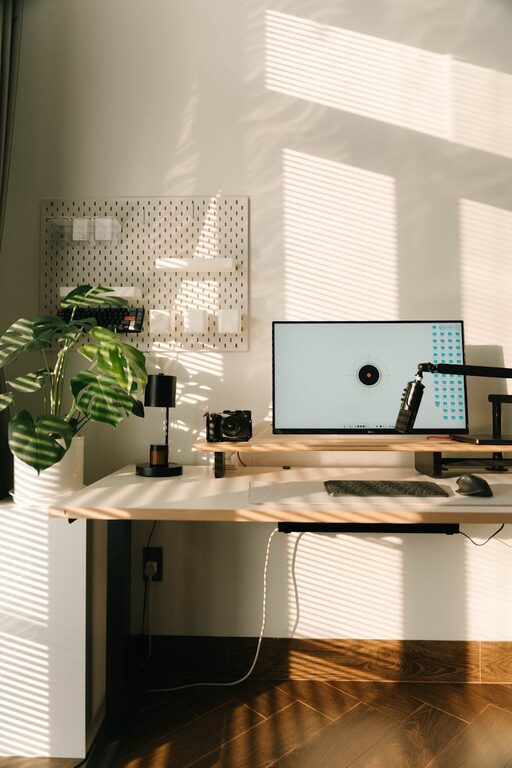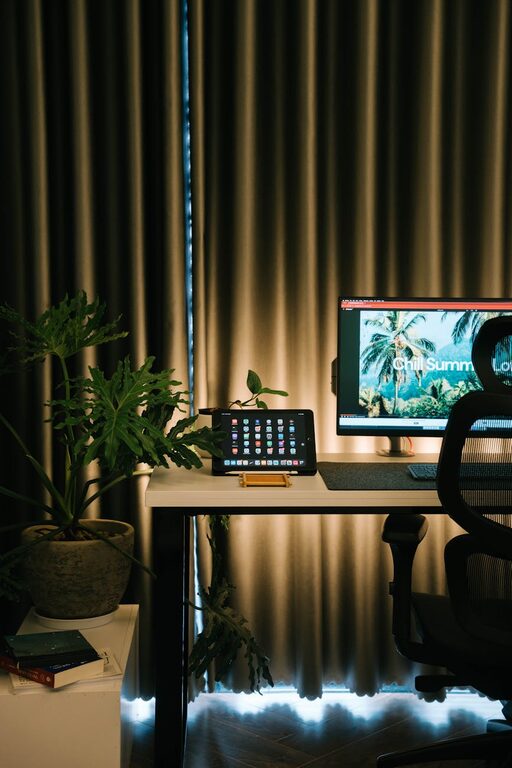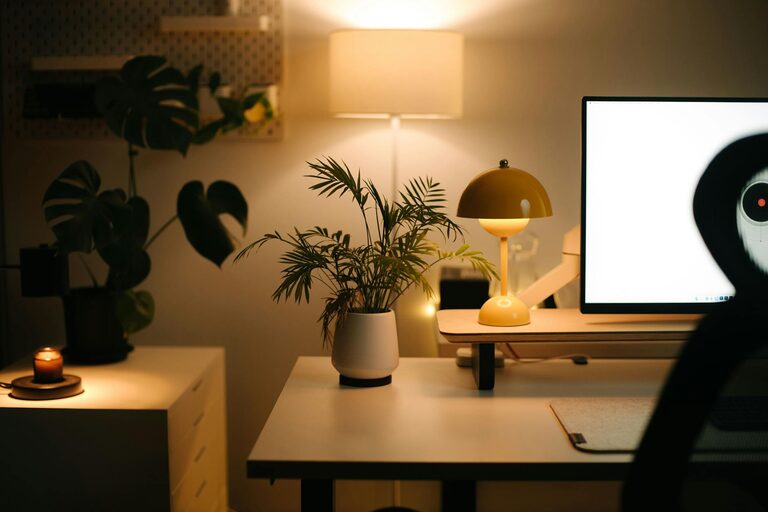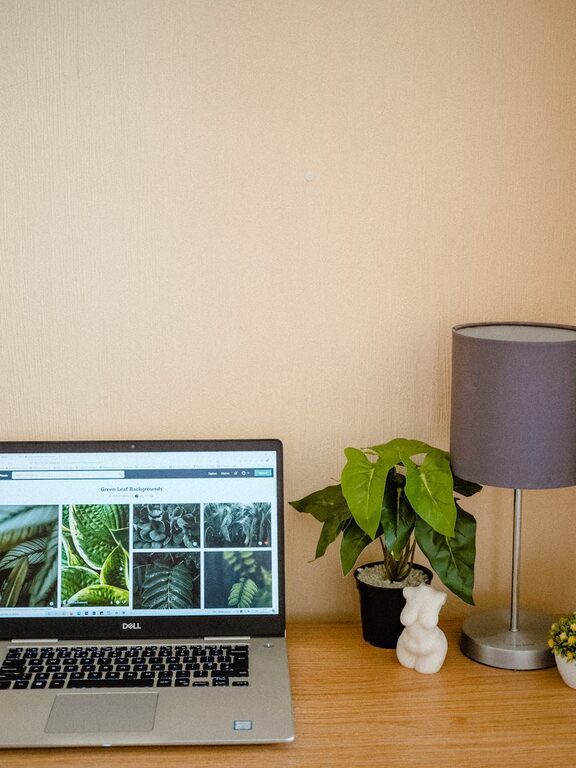
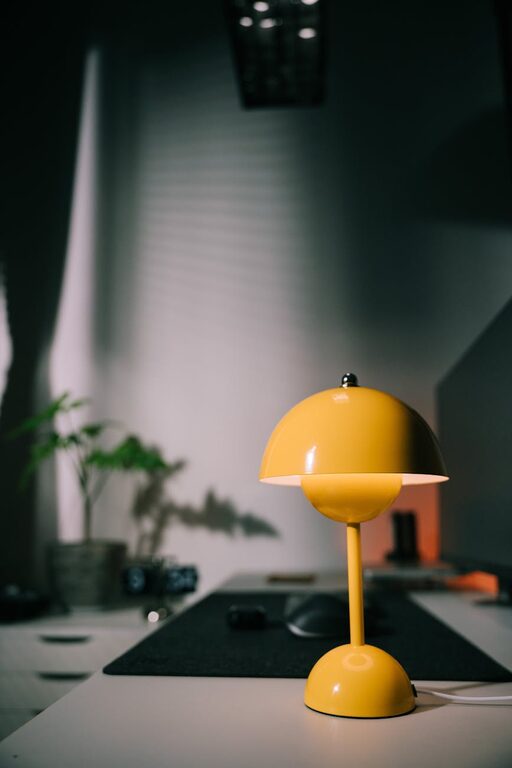
Creating a cozy and functional home workspace is essential for staying productive and comfortable throughout your workday. Whether you’re working remotely full-time or just need a dedicated area for occasional tasks, designing the right environment can boost focus, creativity, and well-being. In this post, we’ll explore practical tips to help you craft a workspace that feels inviting while supporting your daily activities.
Choosing the Right Location
The first step in setting up your home workspace is finding the best spot. Ideally, pick a quiet area with minimal distractions. Natural light is a big plus, as it can improve mood and reduce eye strain.
– Near a window: Position your desk close to a window without direct glare on your screen.
– Separate from living spaces: If possible, choose a corner or room away from noisy or high-traffic areas.
– Dedicated space: Even a small nook or a section of a room can work if clearly defined as your workspace.
Investing in Comfortable and Supportive Furniture
Comfort plays a major role in productivity. Choose furniture that supports good posture and reduces fatigue.
– Ergonomic chair: Invest in a chair with adjustable height, lumbar support, and comfortable cushioning.
– Desk height: Your desk should allow your arms to rest comfortably, with elbows at about a 90-degree angle.
– Multi-functional surfaces: If space is tight, consider foldable desks or desks with built-in storage.
Organizing Your Workspace for Efficiency
An organized desk reduces stress and helps maintain focus.
– Declutter regularly: Keep only essential items on your desk.
– Use storage solutions: Drawer organizers, shelves, and desktop trays can keep supplies tidy.
– Cable management: Use clips or sleeves to keep wires neat and out of the way.
Personalizing Your Space for Comfort and Inspiration
Adding personal touches makes your workspace feel inviting and motivating.
– Plants: Indoor plants add color, freshen the air, and create a relaxing atmosphere.
– Artwork and photos: Surround yourself with images or art that inspire or uplift you.
– Soft lighting: Besides overhead lights, add a desk lamp with warm tones to create a cozy ambiance.
Incorporating Technology Thoughtfully
Technology is key for productivity, but it should be set up to minimize distractions and discomfort.
– Monitor placement: Position your monitor at eye level to reduce neck strain.
– Keyboard and mouse: Use ergonomic options if you spend long hours typing.
– Reliable internet: Ensure your workspace has strong Wi-Fi or wired connection to avoid interruptions.
Creating a Healthy Work Routine in Your Space
Your environment can support healthy habits.
– Take breaks: Set reminders to stand, stretch, or walk around periodically.
– Hydration station: Keep a water bottle nearby to stay hydrated throughout the day.
– Maintain boundaries: Use your workspace primarily for work to help separate professional and personal time.
Enhancing Acoustics and Minimizing Noise
Noise can be distracting when working from home, so consider sound control.
– Soft furnishings: Rugs, curtains, and cushions help absorb sound.
– Noise-canceling headphones: These can block out background noise for better concentration.
– White noise machines or apps: They provide consistent background sound that can mask distractions.
Maximizing Small Spaces
If you have limited room, don’t worry—there are ways to create an effective workspace.
– Vertical storage: Use wall shelves to save desk space.
– Compact furniture: Choose desks and chairs designed for small areas.
– Multi-purpose areas: A fold-out desk or convertible furniture can allow the space to serve multiple functions.
Conclusion
Designing a cozy and functional home workspace doesn’t have to be complicated or expensive. By focusing on location, comfort, organization, and personal touches, you can create an environment that supports your work and feels like a pleasant place to spend your day. Small changes can make a big difference in your productivity and overall enjoyment of working from home. Start with these tips, then adjust your space as needed to fit your unique needs and preferences.
About the Author