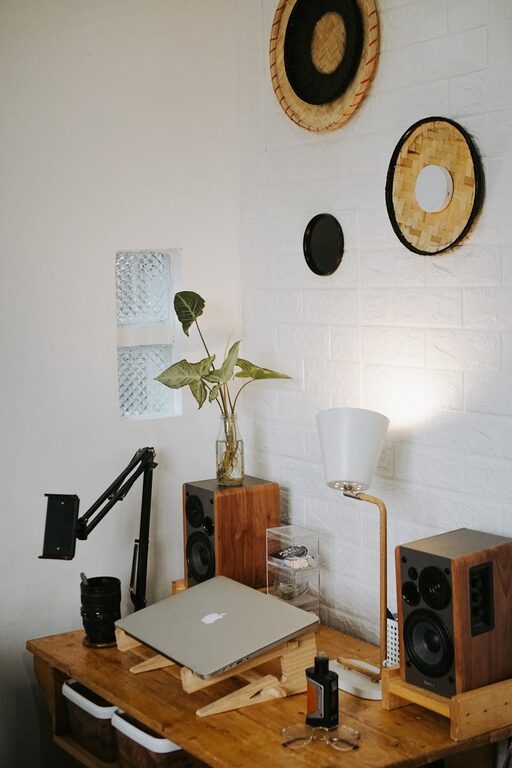
Creating a cozy and inviting home office space is more important than ever. As remote work and flexible schedules become common, having a dedicated area that feels comfortable and inspiring can improve focus, creativity, and well-being. Whether you have a small corner or an entire room to work with, thoughtful design and organization can transform your workspace into a place you look forward to spending time in. Here are some practical tips to help you build a home office that combines comfort and functionality.
Choose the Right Location
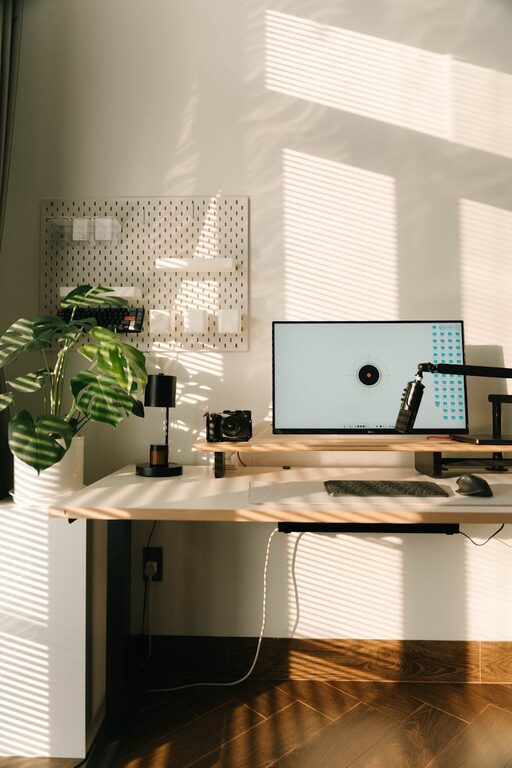
Selecting the best spot for your home office is key. Ideally, you want a quiet area away from the most hectic parts of your home. Natural light is a bonus, so try to set up near a window if possible. If space is limited, corners or unused nooks can be turned into productive work zones with the right furniture and lighting.
Invest in Comfortable Seating
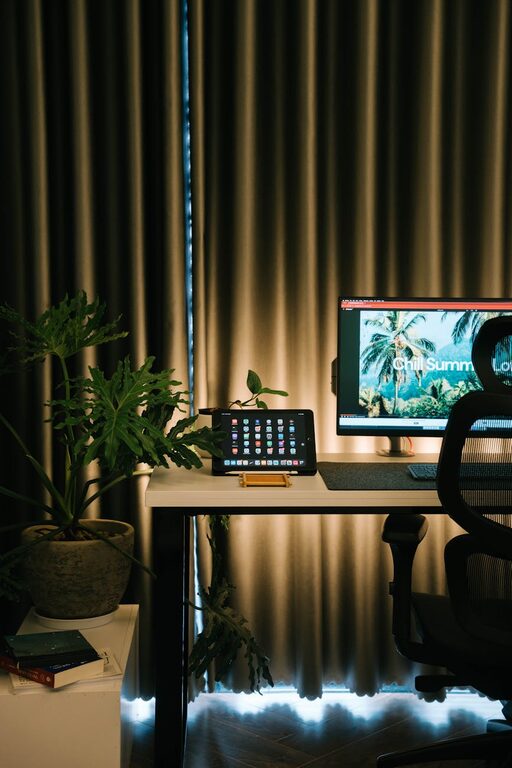
Your chair is one of the most important pieces in your office. Long hours working at a desk require good support to avoid back or neck strain. Look for an ergonomic chair that offers adjustable features like seat height, backrest angle, and lumbar support. Adding a soft cushion or a cozy throw can enhance comfort without sacrificing health benefits.
Create a Functional Desk Setup
Choose a desk that fits your available space and meets your work needs. If you use multiple devices or paper documents, consider a desk with built-in storage or shelves. Keep your workspace tidy by limiting clutter and organizing essentials within easy reach. Using cable organizers helps keep cords neat, reducing distractions and creating a clean, inviting area.
Personalize Your Space with Decor
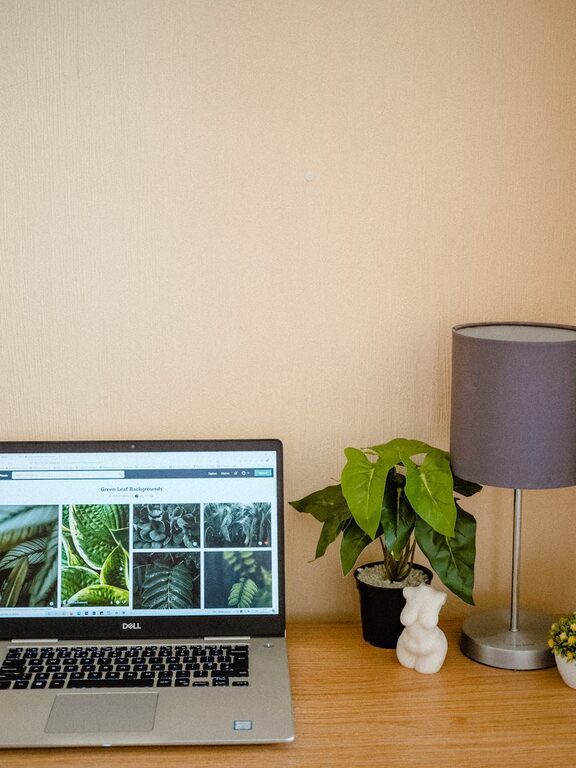
Adding personal touches makes your office feel warm and inviting. Display artwork, photographs, or inspirational quotes that motivate you throughout the day. Plants are a wonderful addition, bringing life and a calming atmosphere to your space. Choose low-maintenance greenery like succulents or pothos for easy care.
Optimize Lighting to Reduce Eye Strain
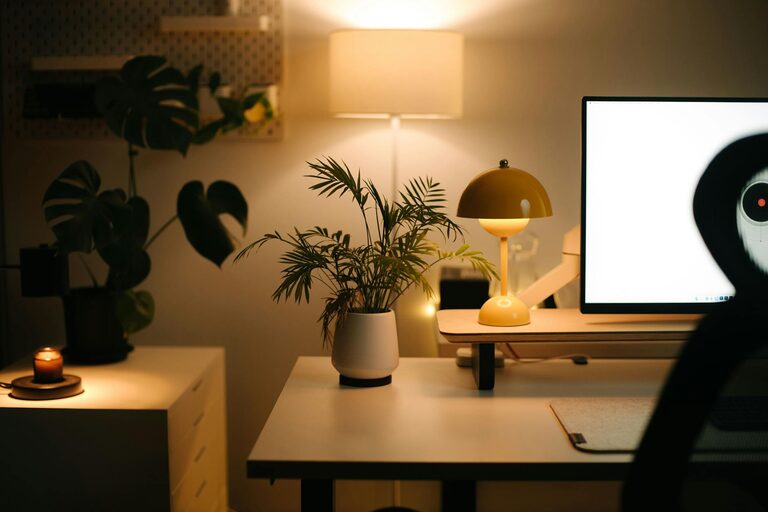
Proper lighting is critical for a cozy and efficient workspace. Natural light is ideal, but for cloudy days or evening work, combine overhead lighting with task lighting, such as a desk lamp. Choose warm or neutral bulbs rather than harsh fluorescents to create a gentle environment that’s easier on your eyes.
Organize with Storage Solutions
Good organization can make your office feel less cluttered and more welcoming. Use shelves, filing cabinets, or storage bins to keep papers and office supplies orderly. Consider wall-mounted organizers or cork boards to keep important notes visible without taking up desk space. Labeling containers or files can save time and reduce stress.
Incorporate Soft Textiles
Soft textiles add warmth and comfort to your home office. Consider a rug under your desk to soften the floor, and add cushions or a soft blanket to your chair for extra coziness. These elements not only improve comfort but also contribute to a pleasant visual look that feels inviting.
Maintain a Pleasant Temperature and Air Quality
A cozy office is more than just decoration – it’s also about physical comfort. Maintain a comfortable room temperature and ensure good ventilation. Using a small fan or air purifier can improve air quality, especially in rooms that don’t get much fresh air. This helps keep you alert and comfortable throughout your workday.
Minimize Distractions
Creating a peaceful environment helps maintain focus. Noise-cancelling headphones or white noise machines can block out household sounds. Keep your phone on silent or in another room if possible. Establishing boundaries with family members or roommates about your work times can also reduce interruptions.
Add Meaningful Break Areas
If space allows, create a small area for breaks within or near your office. A comfy chair or small couch where you can relax for a few minutes helps refresh your mind. Including a spot for a beverage like tea or water encourages regular hydration and short breaks, which improve productivity.
Keep Your Office Flexible
Lastly, try to maintain flexibility in your office design. Modular furniture or mobile storage carts let you adjust the space as your needs change. Open shelves and multi-purpose desks support various work styles, from computer work to crafting or brainstorming.
—
Designing a cozy and inviting home office takes a balance of comfort, functionality, and personal style. Prioritize a comfortable chair, proper lighting, organized surfaces, and small personal touches to build a space where you can work happily and productively. With these tips, your home office becomes more than just a workstation—it turns into a welcoming place that supports your daily goals and inspires creativity.
About the Author